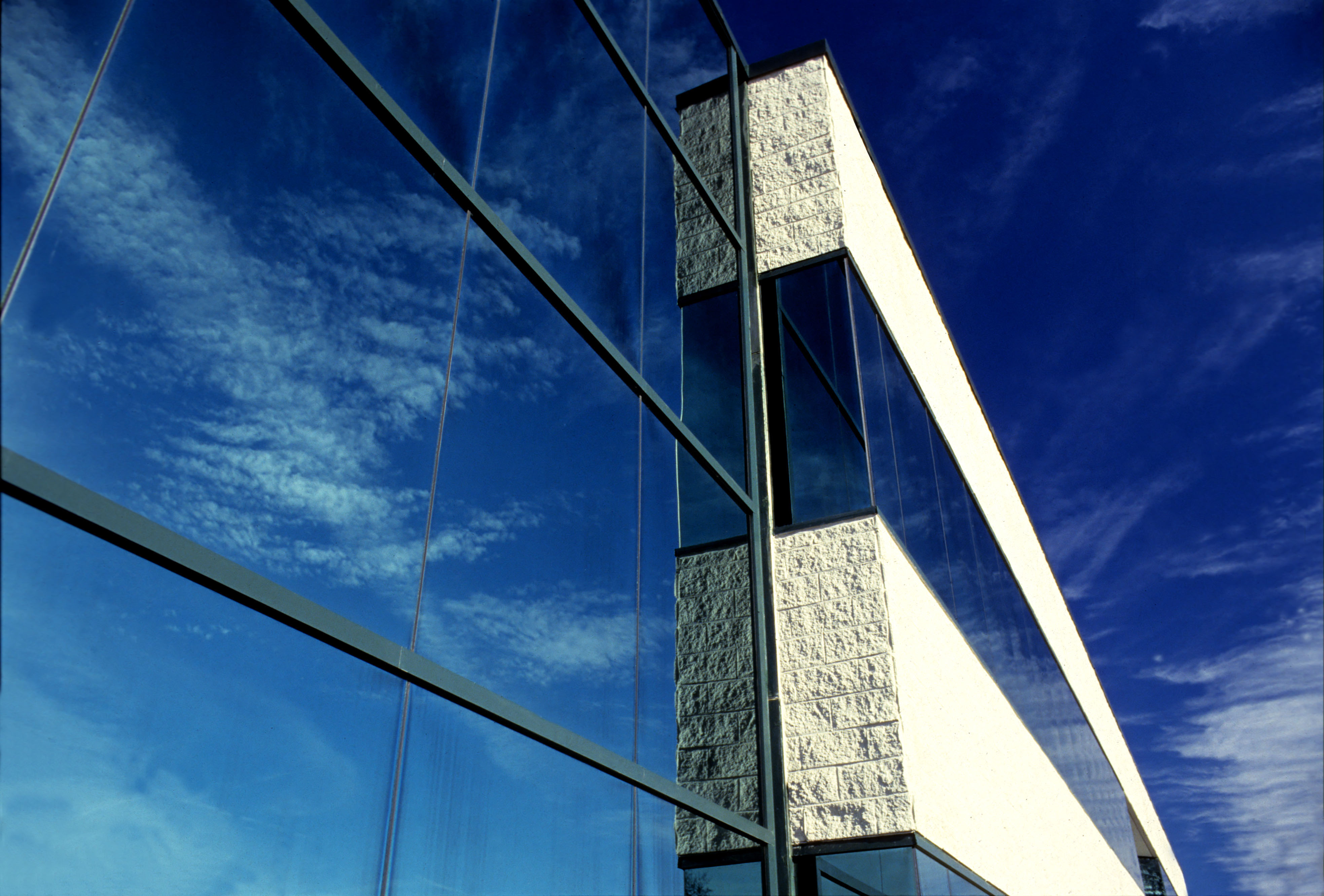
Jordan Fink Photography has been shooting architectural photography for over 40 years. This photography has a plethora of far-reaching applications, from corporate entities to Real Estate. Our long-standing client list includes corporations, museums such as The High Museum, community attractions like the Atlanta Aquarium and luxury homes. Pricing architectural photography projects can differ from other types of photography projects. Factors which...
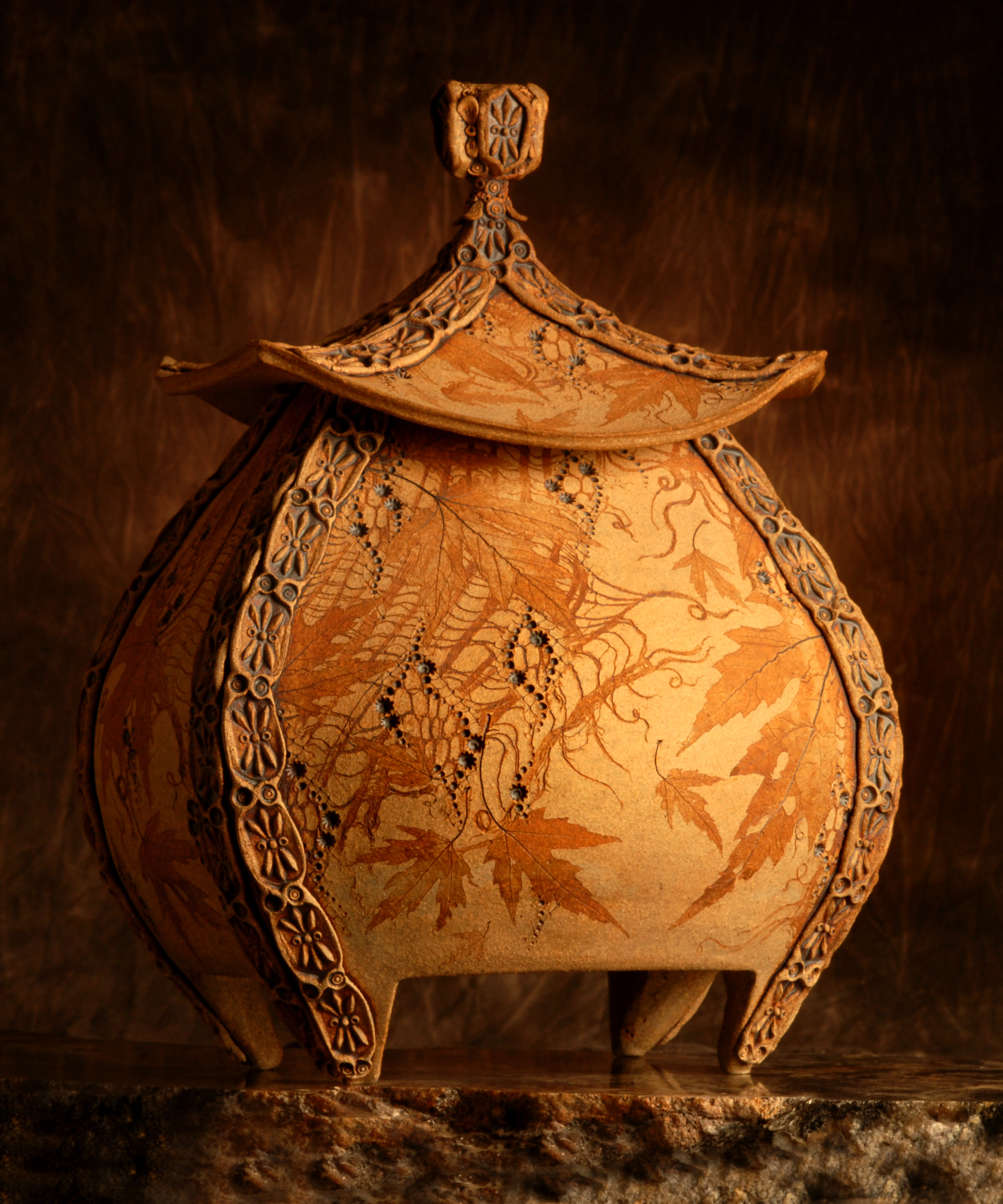
Unlike most photographers who shoot artworks in a “cookie cutter” approach, we pride ourselves in representing the artist’s work with new and creative styles. This technique has garnered unprecedented results for the artist in taking them and their career to the next level. Jordan Fink Photography has assisted artists with zapplication for art festivals and galleries. Unlike most photographers, we invite the artist to participate...
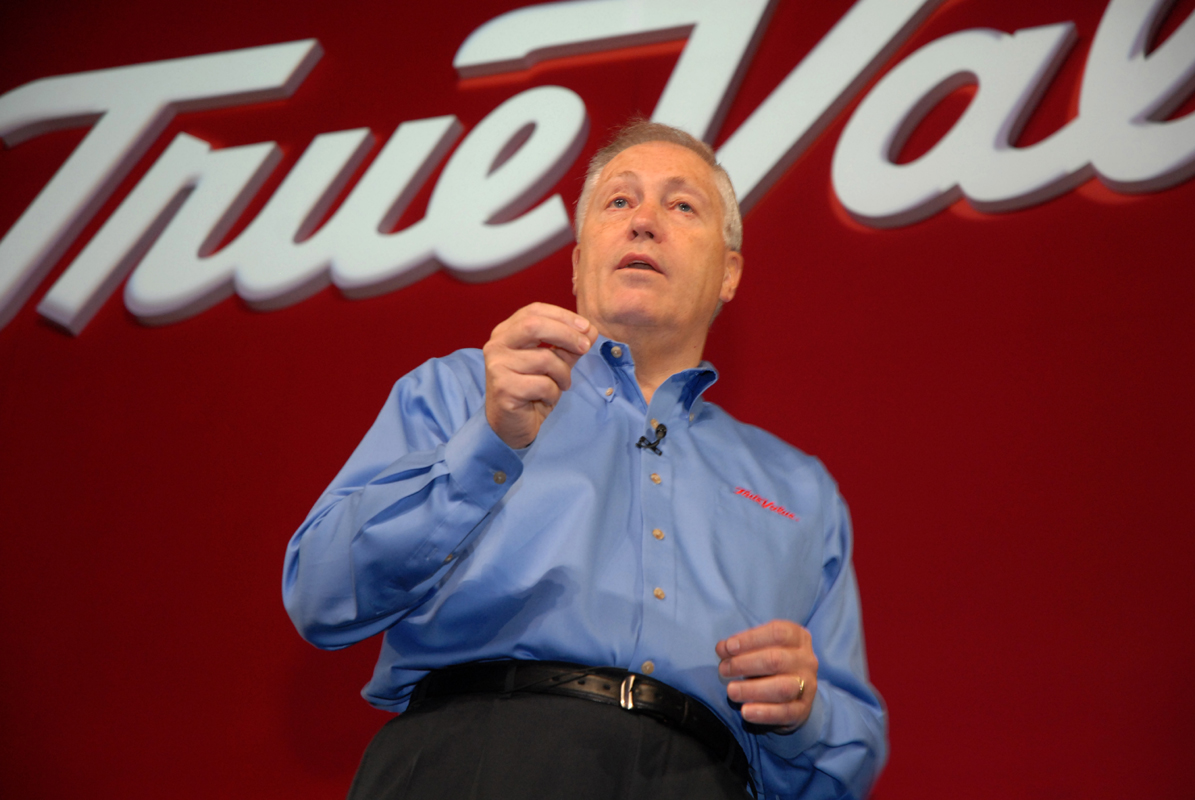
Your first impression is often your last. From business cards to websites, image is everything. Whether it’s accurate or not, clients take the image they see very seriously. In a world of perceived image, the image that you display to your clients can often be the difference between profitability or failure. Your company¹s image should be a top priority. The consumer depends on their “gut feeling” as to whom they will...
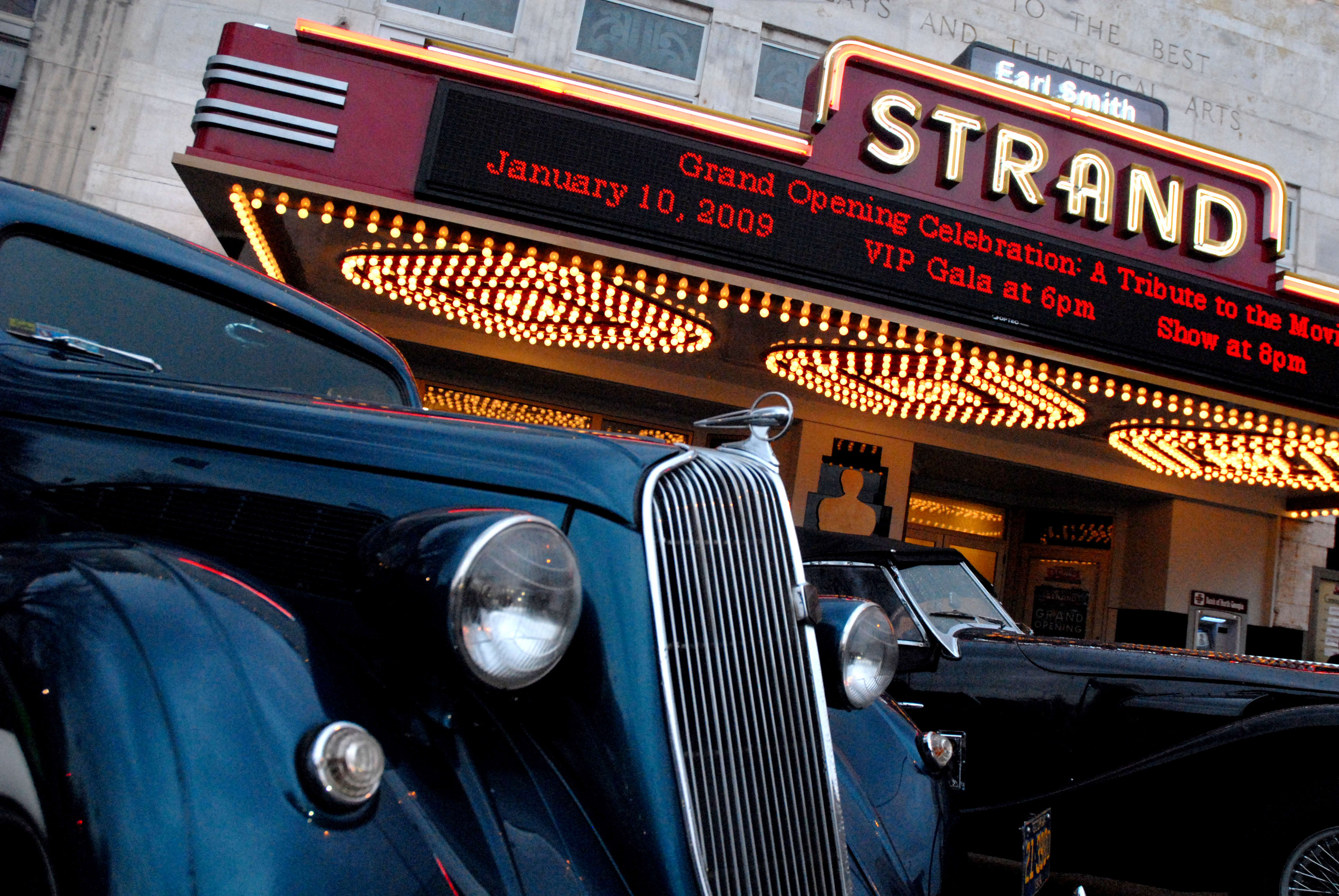
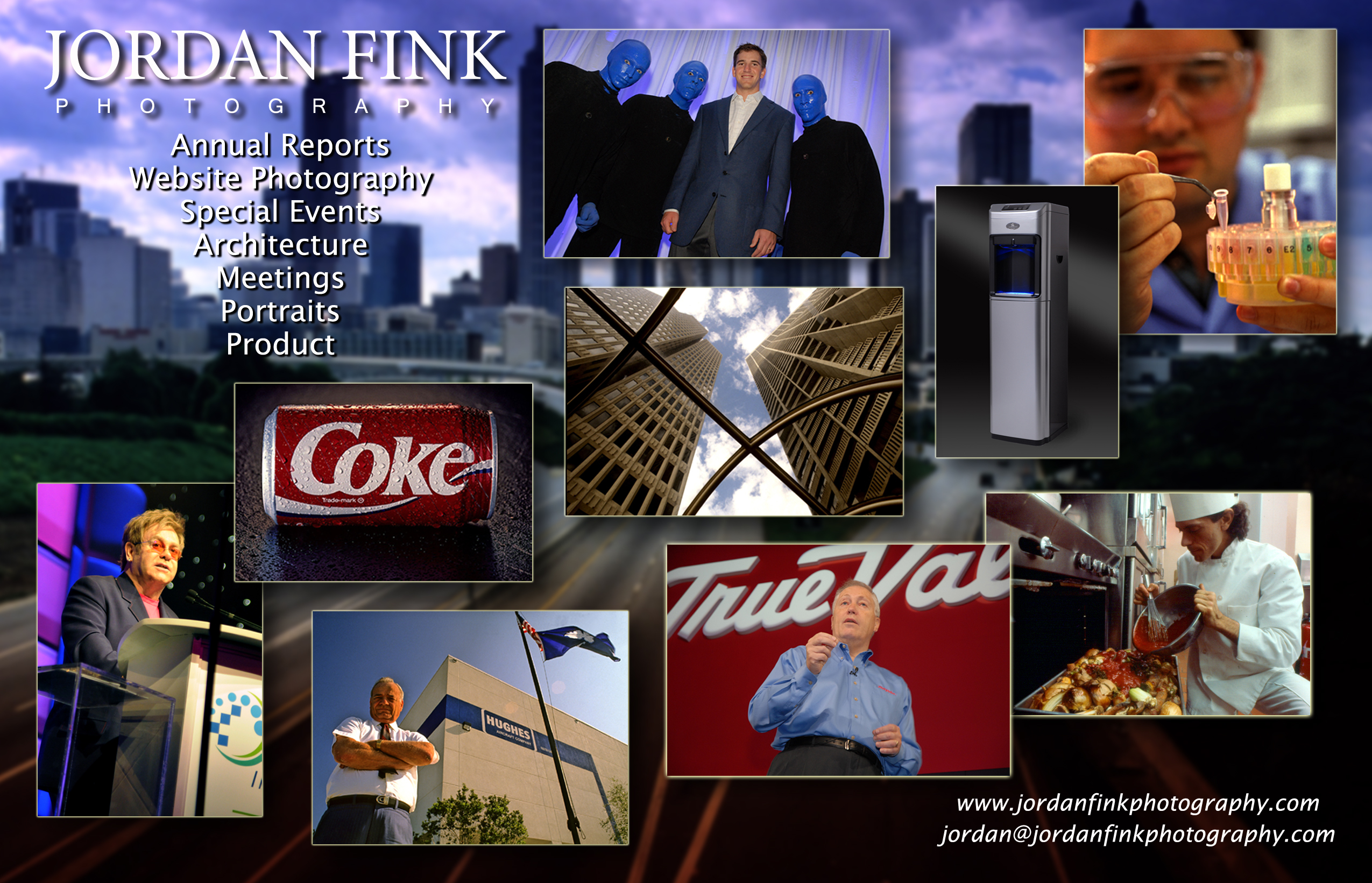
We specialize in corporate event photography, small business event photography, and individual event photography. Whether it is an awards banquet, VIP dinner, annual meeting or golf outing, no matter how large or how intimate, we deliver full coverage. We have worked with Fortune 500 clients for their events and annual meetings and trade shows clients. We¹ve covered registrations, breakouts sessions, keynote speakers, lunches, dinners, awards...
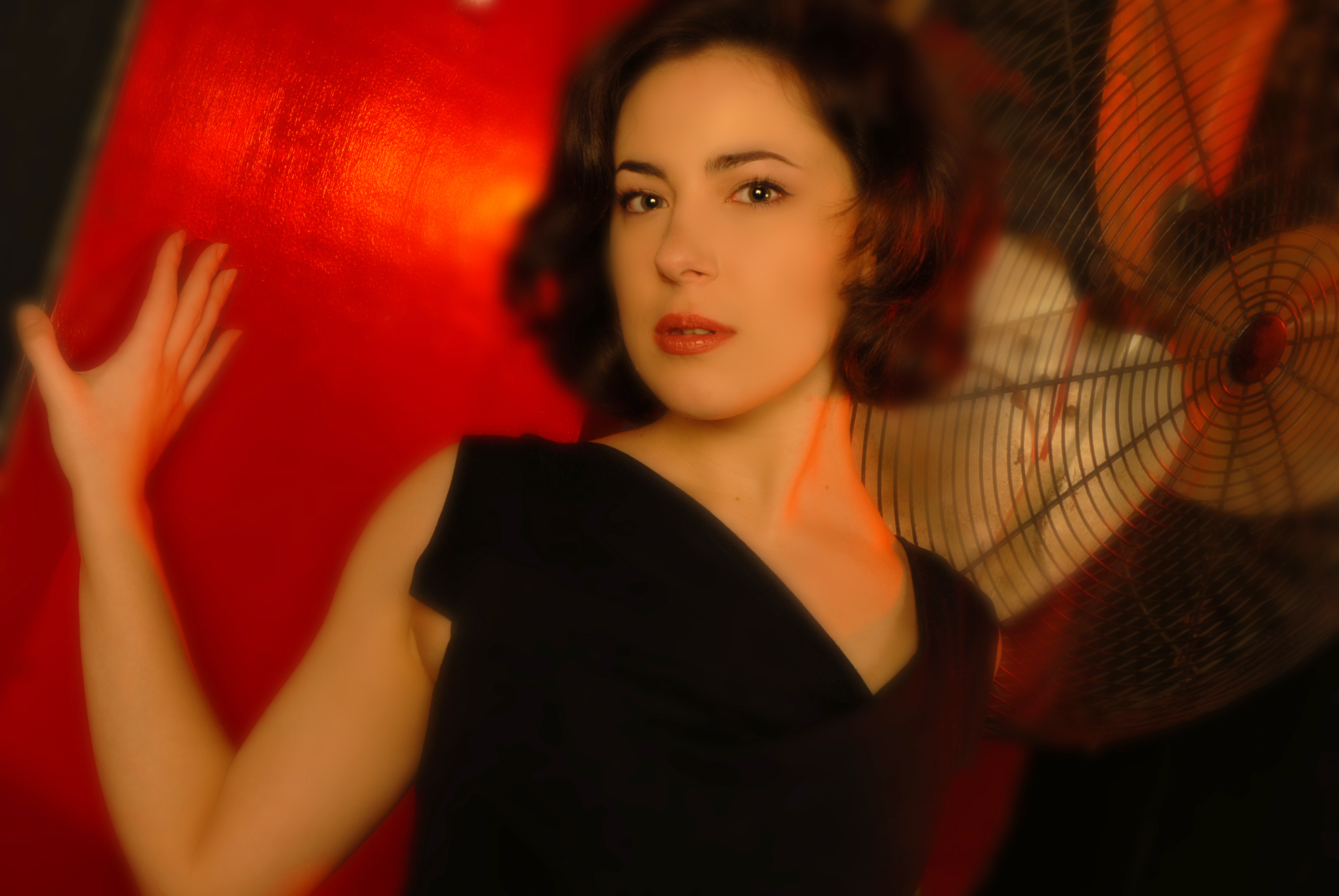
At Jordan Fink Photography, our fashion photography is geared towards the ever changing world of the high fashion photography industry. In keeping up with the latest trends in fashion photography, we can offer a wide range of possibilities for you. No matter what style you are looking for, we do our best to deliver beautiful fashion photography that has an eye-catching flare of creativity and visual empathy. Whether indoors or outdoors, a studio look to...
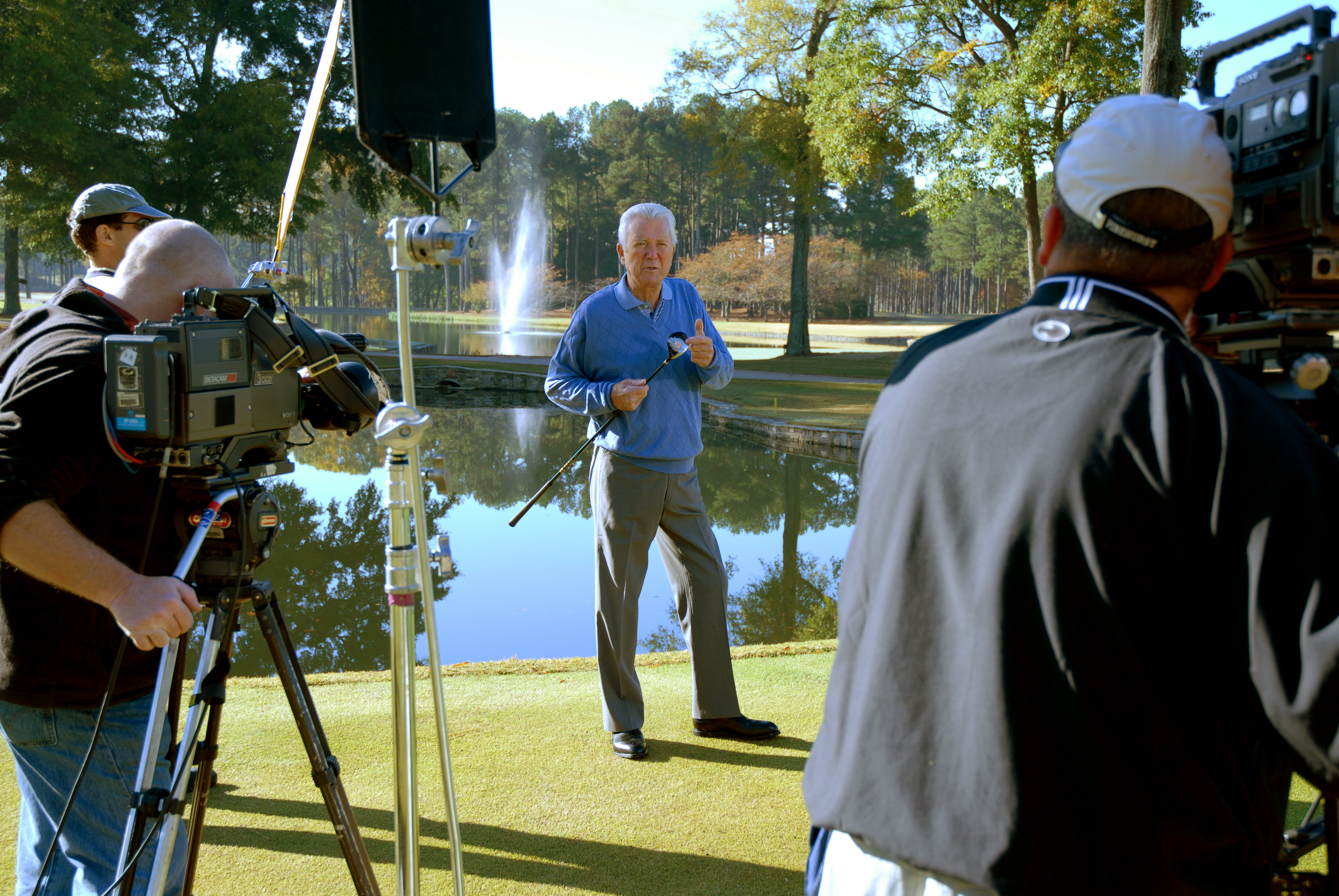
Productions companies utilize still photography in many applications. Whether for their own records, memorabilia for the client as a friendly “perk”, actual on-set shots with talent, continuity photography for large sets to keep track of object placement or promotions for a particular media piece. Jordan Fink has experience documenting corporate shoots, commercials, shoots for production companies as well as having a creative eye for behind...
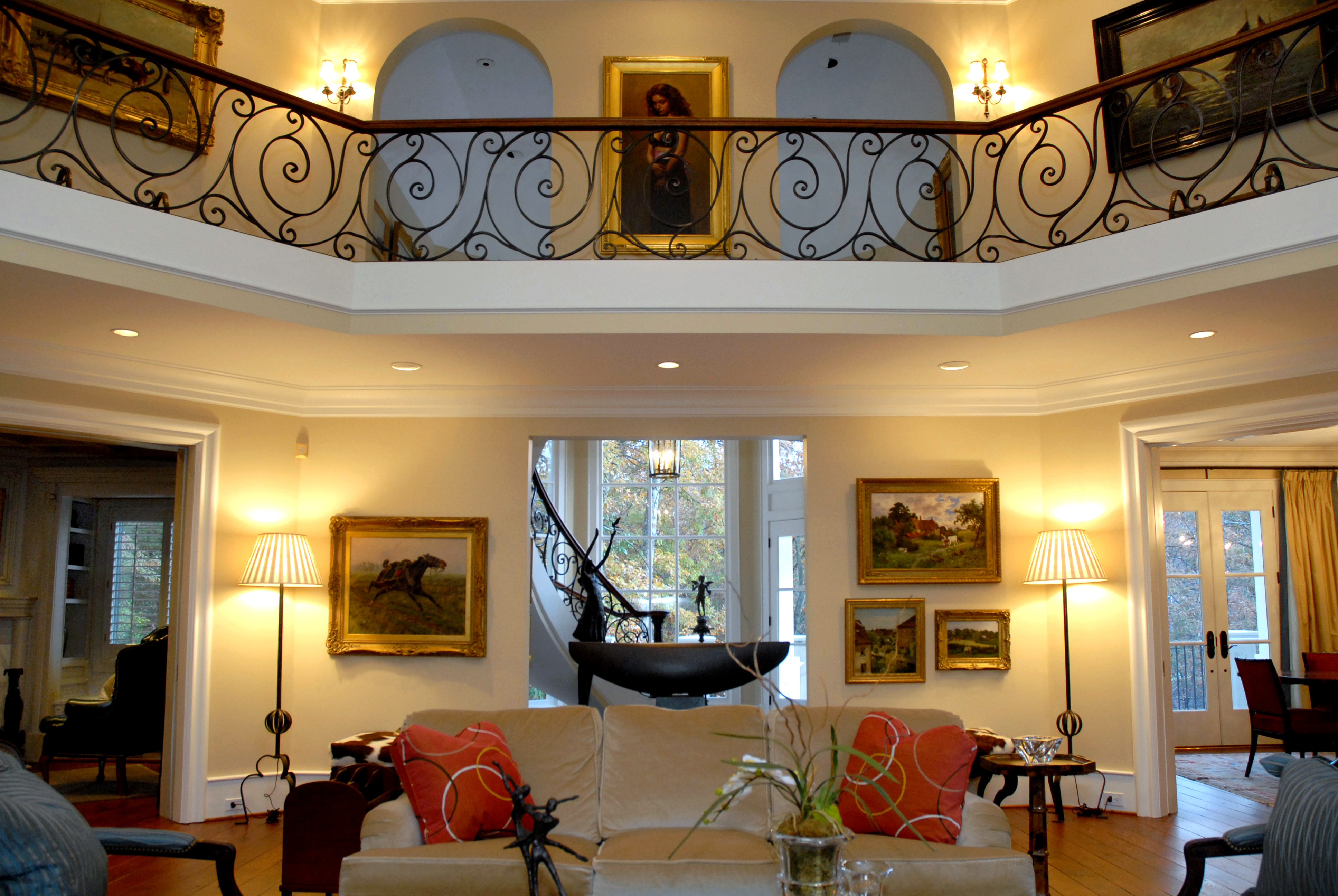
Jordan Fink Photography has been shooting Real Estate Photography for over 30 years. In the last three decades, we have received high accolades shooting for The Home Builder¹s Association, Beacham, Harry Norman, Keller Williams and Remax, just to site a few. Our philosophy, at Jordan Fink Photography, is for potential Real Estate clients to consider buying listings BEFORE they visit them. Most Real Estate photography services leave potential...
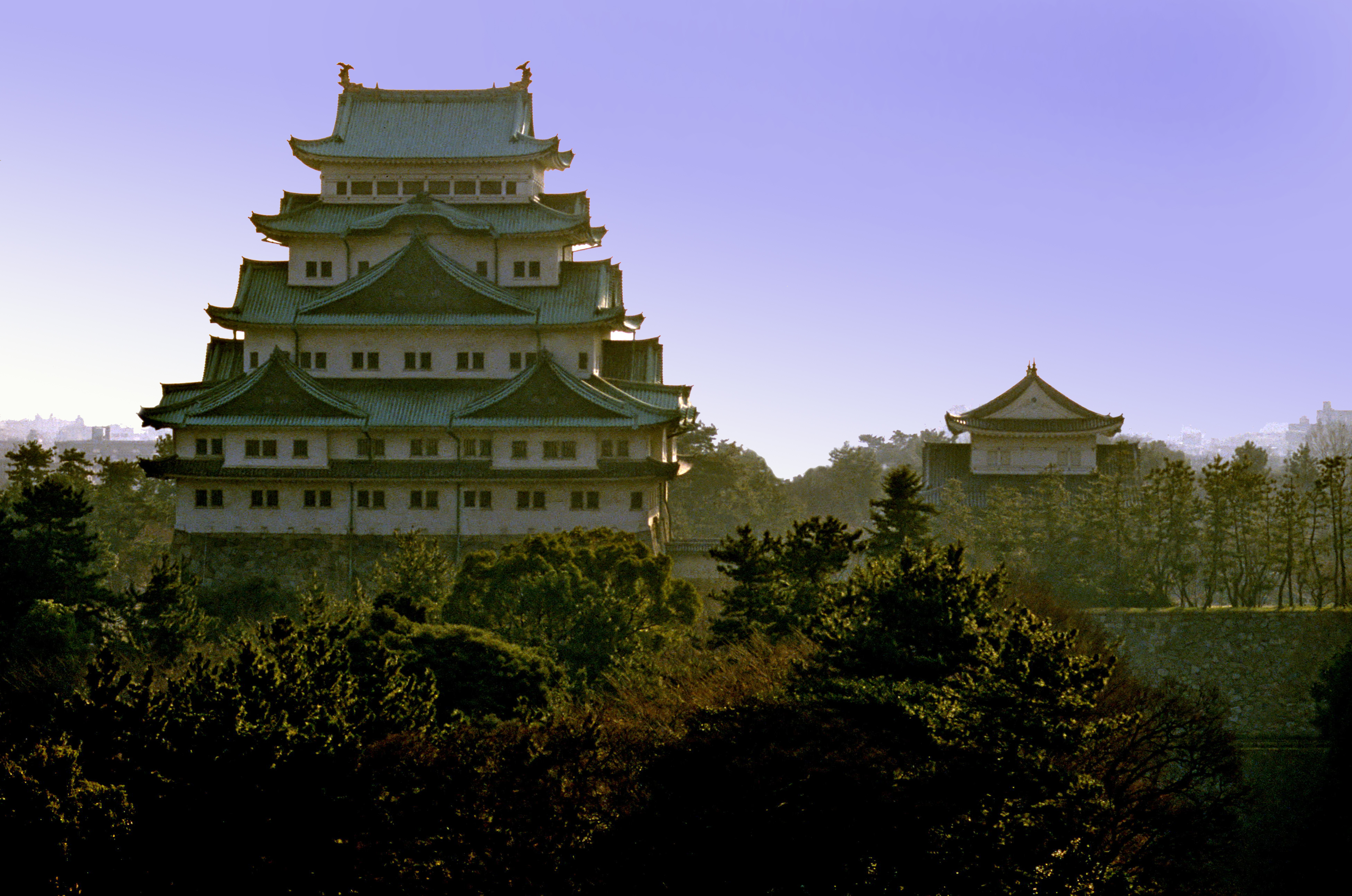
Travel never gets old. No matter what age you are or where you are from, travel can be one of the most educating, relaxing and memory-making experience that one can have. Whether you are “getting away” for a weekend or planning an extended vacation, there are few things in life comparable to travel. Most times, when picking a location for a vacation, we are influenced by the travel photography. These photographs play off of our inner...
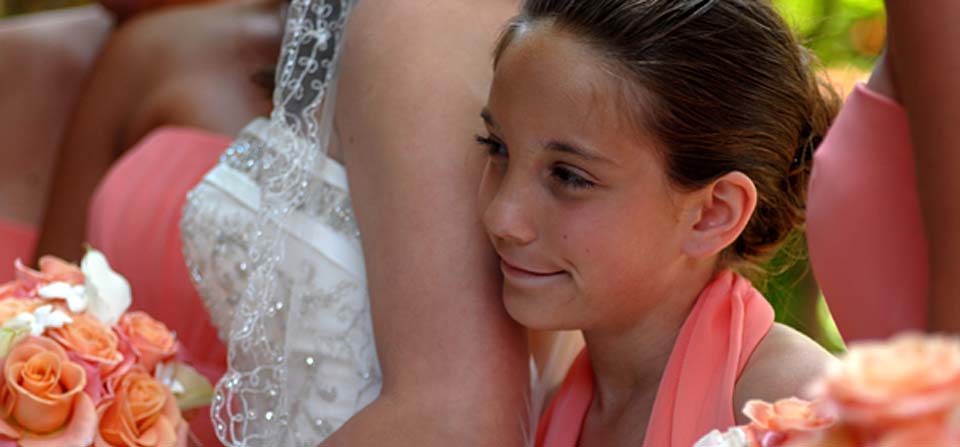
Jordan Fink’s Engagement Photography stands out from all the rest. Because of his exposure to people in a myriad of professional situations, his Wedding Photography is unparalleled in its intimate and cordial approach. Most “Engagement Photographers” can become extremely confusing with their photographs because of different “packages’, “credits” and “limits of reproduction rights”. These practices can create exceedingly large profits...
A great photograph is not an accident…
it is a picture that tells a story!© 2011-2022 Jordan Fink Photography LLC
Learn More